Showing posts with label diet. Show all posts

Thursday, January 10, 2019

The differences between a vegan and plant-based diet

           
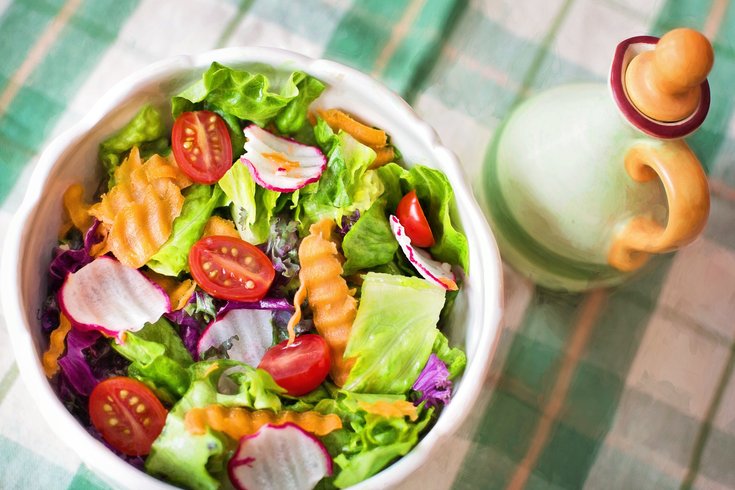
Healthy salad on table Pixabay/Pexels.com

As more people begin embracing healthy lifestyles, diets consisting of “ whole foods” and plants have become increasingly popular. Widely observed events like “Meatless Monday” are evidence of this growing trend. There is a difference, however, between what is considered a plant-based diet focused on whole foods and a traditional vegan diet.

What to know about going vegan

People who commit themselves to a vegan diet do not eat any animal-based products whatsoever. This means that vegans abstain from eating foods like meat (including seafood and shellfish), dairy, and eggs, as well as products derived from animals, like honey and gelatin.
Vegans generally see their preferences as a lifestyle choice rather than simply a diet, and this is the core difference between veganism and a plant-based regimen. For example, vegans not only refrain from consuming animal products – they also avoid things like leather, beeswax, and any product that has been tested on animals. Veganism is a philosophy, or a way of living, rooted in a general desire to exclude all forms of cruelty to and exploitation of animals for any number of things, from food to clothing to skincare items.
Just because someone maintains a vegan diet, however, doesn’t mean they are practicing healthy eating habits. Many highly processed foods that contain lots of sugar and carbohydrates are still technically vegan, yet they don’t contain the raw plant power typically associated with a vegan lifestyle.

The ins and outs of a plant-based diet

A diet based solely on plants is similar to that of a vegan diet in that both exclude animal products altogether. In addition to cutting out animal foods and byproducts, those who choose a plant-based diet also tend to avoid processed and overly refined fare for nutritional and environmental reasons. Fruits, vegetables, legumes, nuts, and seeds are all naturally occurring substances, and are therefore fair game for anyone who subscribes to a plant-based routine.

Why the difference matters

A person’s diet is often deeply important to who they are and what they stand for. Because it can be such a personal matter, your diet can even be strongly tied to your identity. For most vegans, it’s not a matter of not being able to eat animal products. Rather, it’s a matter of making the conscious choice not to do so. Regardless of the various reasons behind someone’s choice to be vegan (or vegetarian), it inevitably becomes part of their identity.

Setting aside any personal reasons for going vegan or switching to a plant-based diet, there are also a slew of health benefits, as well. Recent studies show that swapping animal protein for plant protein can reduce your chances of heart-related illness, including coronary heart disease, as well as many risk factors that lead to diabetes.


Whether you opt for a vegan lifestyle for humane or environmental reasons, or if you want to give a plant-based diet a try when setting new health goals, maintaining a healthy balance in what you eat is the key to success. If you’re thinking about going vegan, or even if you’re simply trying to integrate more fruits and vegetables into your daily meals, it’s important to make sure you continue to nourish your body and get the vitamins and minerals you need to feel your best.
For additional guidance on adopting a vegan or planted based diet, consider nutritional counseling to help you make a healthy transition. If you’re an Independence Blue Cross (IBX) member, you can consult with a registered dietitian up to six times each year at no cost. Search for a participating registered dietitian using IBX’s online provider directory.
This content is not intended to be a substitute for professional medical advice, diagnosis, or treatment. The information on this web site is for general information purposes only. Always seek the advice of your physician or health care provider on any matters relating to your health.

Sunday, October 21, 2018

I have a Food Addiction!

It has been awhile since I've been here. Still struggling to get that BMI down. I realized today have the only addiction I've ever had and it is food.

As long as am in control, I'm ok. But once the triggers hit, I have a hard time stopping. Typically I fast  a lot, because that is the only way I know how to control the addiction. The other downside, food just sticks to me. Even with all the exercising. I can't even imagine if I didn't exercise, I would be even bigger.

I'm not giving up and recognize the challenges, especially with the holidays coming. Other foodies don't understand why you don't want to indulge. I have willpower and not giving up.

See yo soon!

Wednesday, August 12, 2015

Great article on Vegan Meats and Meat Substitutes


When I decided to give up meat, it was an impulsive decision that was many years in the making. You see, for most of my life I talked about wanting to be a vegetarian (I had not yet learned the term “vegan”) but I loved meat too much. It was what I ate at every meal every day. Then one day I watched a film about the animals that became the meat on my plate and I never ate another bite of any meat. That doesn’t mean, however, that I stopped loving the taste of meat or that I don’t miss it because over six years later, I still do. That’s why I make vegan versions of all my favorite meaty dishes. Because if I can have all dishes I love in a cruelty-free way, why wouldn’t I?

I make lots of veggie-centric dishes too but when I get cravings for something meaty, I turn to vegan foods that I can turn into delicious meaty meat-free dishes. There are lots of packaged vegan meats and meat substitutes you can buy but this guide is about using less processed foods to substitute for meat. I’m proof that it is completely possible to go from being a big meat-eater to a satisfied, happy meatless vegan. Here is the ultimate guide to vegan meats and meat substitutes.
1. Tofu
The Ultimate Guide to Meat Substitutes


Tofu is a great substitute for meats including pork, chicken, beef, and seafood in recipes. It’s made from soybeans and is high in protein and calcium. Tofu has been a staple of Asian cuisine for ages, but most people think of tofu when they hear the words “vegetarian” and “vegan.” Tofu gets a bad rap as being soft, spongy, bland, and tasteless, but that doesn’t have to be true. Buy extra-firm tofu and press the heck out of it. Or, freeze it and then press it. Tofu can be as firm and chewy as meat. It also has an amazing ability to absorb flavors through spices and marinades, so be liberal with seasoning before cooking it. Read more about 6 Tips that Will Make You Love Tofu, 7 Steps to Make the Perfect Tofu Dish and Tofu: How to Avoid 5 Common Cooking Mistakes and then try these recipes: Crispy Tofu Nuggets, Tofu Pot Pie Casserole, Tofu “Shrimp” Scampi, Grilled Buffalo Tofu Po’ Boy with Apple Slaw, Badass Vegan “Fish” Sandwich, Vegan Tofu “Scallops,” General Tso’s Tofu and even Vegan “Liverwurst.” You can also learn How to Make Epic Vegan BBQ Tofu Wings and 10 Ways to Cook Tofu with Global Flavors.

2. Tempeh

The Ultimate Guide to Vegan Meat Substitutes


Tempeh is firmer than tofu and has a more grainy texture. It is made from fermented soybeans and has a nutty flavor. It’s packed with protein as well as fiber, calcium, and vitamins. One of the advantages to cooking with tempeh is that you don’t have to press it. Just slice it, dice it, or grind it up in a food processor. If you find tempeh to be a bit bitter, however, try steaming it for a few minutes before using it. I find tempeh to be the perfect texture to emulate fish in recipes. It also is a great substitute for ground beef in chilies and other dishes. For tips on cooking with tempeh, check out How to Use Tempeh and What it’s Best Paired With and 6 Amazing Ways to Eat Tempeh. Try tempeh in these recipes: Tempeh “Fish” and Chips, Tempeh “Crab” Cakes, Tempeh “Tuna” Salad, Tempeh Piccata, Buffalo Tempeh Meatballs, Vegan and Gluten-Free Tempeh Meatballs, Vegan Tempeh Gyros, Butternut Squash Tacos with Tempeh Chorizo, Balsamic BBQ Tempeh Ribs, Vegan Sloppy Joes, Vegan Tempeh Reuben Sandwiches, and Gingery Maple Glazed Tempeh on Baby Greens Salad. For more ideas, check out 25 Super-Rad Recipes Made with Tempeh.

3. Seitan

The Ultimate Guide to Vegan Meats and Meat Substitutes


If gluten is not an issue for you, turn to seitan for the most meat-like texture. Seitan is processed wheat gluten and it is a great source of protein. Depending on how you flavor it, seitan can be similar to chicken, beef, or pork. Seitan has a dense, chewy texture that can hold up to grilling, frying, braising, or anything else you want to do with it. You can buy it in stores, but don’t be intimidated. It’s not as hard to make seitan as you might think. Read How to Make Perfect Seitan and then try these delicious dishes made with seitan: Seitan Steak with Beurre Blanc Sauce, Seitan Pot Roast, Balsamic BBQ Seitan Ribs, Homemade Seitan Hot Dogs, Homemade Vegan Italian Sausage, Seitan Kebabs with Sangria Tomato Salad, Seitan Portobello Stew, Seitan and Mushroom Bourguignon, Seitan Wellington with Creamy Spinach Sauce, and “Chicken” Green Chili with Hominy Posole.

4. TVP

The Ultimate Guide to Vegan Meats and Meat Substitutes


TVP or texturized vegetable protein is an inexpensive, easy to use ingredient. It’s dehydrated soy, and once you rehydrate it, you can do just about anything with it. It comes in granules or chunks. You can use it for ground beef dishes, to make cutlets, or delicious burgers and meatloaves. It is also listed sometimes as TSP or texturized soy protein. Get The Low-down on Textured Vegetable Protein (with Product Picks and Recipes!). Try this delicious vegan Irish “Lamb” Stew, this lovely Chik’n Salad with Cranberries and Pistachios, Tacos Sin Carne and Mini BBQ Soy Curl Taco Bowls with Pickled Onions.

5. Gluten-Free, Vegan Meat

The Ultimate Guide to Vegan Meats and Meat Substitutes


When I became gluten-free, I really missed seitan. I searched the web for gluten-free seitan recipes, tried them all and was thoroughly disappointed. So I set out to make my own gluten-free version of seitan. That’s how my baby, V-Meat, was born along with its siblings, V-Chicken, V-Turkey, and V-Sausage. The recipe uses several different flours and proteins to make a vegan meat that has a texture similar to seitan and can be flavored multiple ways for versatility. It can be sliced, rolled, made into cutlets, chunks or links and can be used in lots of recipes. I have used it to make French Dip Sandwiches, vegan “chicken” and “turkey” cutlets, and even Thanksgiving dinner. Read Finally! A Gluten-Free, Plant-based Meat Recipe to learn how to make V-Meat and then check out the recipes for Gluten-Free Vegan Chicken and Gluten-Free Vegan Turkey.

6. Jackfruit

The Ultimate Guide to Vegan Meats and Meat Substitutes


Yes, I said a fruit. Jackfruit may be a healthy tropical fruit, but its texture and mild taste make it a wonderful stand-in for meat. If you want the jackfruit to be chewier, just roast it on a baking sheet for 15 minutes. Other than a slight sweet taste, almost like pineapple, the jackfruit is pretty much a blank canvas, so you can use whatever spice and flavor panels you like best – Indian, Mexican, Chinese, etc. It can be used to make pulled “pork” or BBQ jackfruit. Learn all about it in Have You Tried Cooking with Jackfruit Yet? Get Started with These Recipes including my recipes for Jackfruit Philly Cheesesteak Sandwiches and Jackfruit Ropa Vieja.

7. Mushrooms

The Ultimate Guide to Vegan Meats and Meat Substitutes


When you want that savory, meaty taste, that umami, mushrooms are the way to go. Their flavor is rich, earthy, and meaty, especially cremini or Portobello mushrooms. They are healthy and filling and can replace meat in any recipe. They can stand in for meat to make Mushroom and Walnut Chopped “Liver” Pate or for sliced meat to make a Mushroom Philly Cheesesteak. Try mushrooms in this Mushroom Stroganoff or as a vegan “Lamb” Burger. You won’t miss the meat in these Portobello Mushroom Burgers, Portobello Wellington, Shitake Bacon, Garlic Portobello Meatless Balls, Mushroom Mutter Masala, and Portobello Mushroom Steaks. For more recipes, see 10 Delicious Ways to Cook with Mushrooms.

8. Lentils

The Ultimate Guide to Vegan Meats and Meat Substitutes


Lentils have always been a stand-in for meat since the beginning of veganism. Lentils are hearty and can replace ground beef easily. Lentils come in a variety of colors such as green, red, brown, and black. They cook up quickly, are inexpensive, and a small amount goes a long way. Read 10 Delicious Ways to Eat Lentils and then try Red Lentil Burgers with Kale Pesto, Lentil Meatballs, Double Decker Lentil Tacos, Hearty Lentil and Brown Rice Burgers, BBQ Lentil Meatball Sandwich, Lentil Tacos, Lentil and Mushroom Shepherd’s Pie and South Indian Lentil Stew.

9. Beans and Legumes

The Ultimate Guide to Vegan Meats and Meat Substitutes


Beans and legumes are inexpensive, healthy, filling, and there are so many to choose from: black beans, kidney beans, pinto beans, aduki beans, navy beans, chickpeas, split peas, peanuts and black-eyed peas, to name just a few. Beans make hearty soups, stews, and chilis that will taste meaty without the meat. Read 10 Ways to Cook Beans with Global Flavors and then try Hearty Hoppin’ John Sliders with Lemon Aioli Sauce and Sauteed Greens, Hoisin Black Bean Burgers, Black-Eyed Pea Italian Sausages, Chickpea “Tuna” Salad, Three Bean and Sweet Potato Chili, Black Bean, Corn and Walnut Vegan Burger, Vegan Spicy Italian Sausage, and Kidney Bean Walnut Burgers with Mississippi Comeback Sauce.

10. Other Foods

The Ultimate Guide to Vegan Meats and Meat Substitutes


Other foods that can substitute for meat include eggplant, cauliflower, potatoes, beets and coconut. Eggplant has a rich, meaty taste and it’s very versatile. If you think you’re not a fan of eggplant, read 10 Ways to Cook with Eggplant and then try it in these Eggplant Crunchburgers, Vegan Mozzarella-Stuffed Eggplant Meatballs, crispy Eggplant Fries with Marinara Dipping Sauce, and spiralized Eggplant Noodles. Cauliflower is highly underrated even as a vegetable but amazingly, it can also stand-in for meat. Read Do You Really Know How to Cook Cauliflower? Here are 10 Ways and then try Orange Cauliflower, Sweet and Sour Cauliflower, Roasted Buffalo Cauliflower Bites, and Cauliflower Piccata. Beets are nature’s candy. They are sweet and delicious and perfect for salads, but they have another side to them. Beets are also earthy and work well in savory dishes that usually have meat. Amaze your guests with a beautiful platter of Beet Carpaccio and then treat them to Roasted Beet Burgers with Cumin-Scented Ketchup. For more recipes, see 10 Ways to Cook with Beets. Potatoes are hearty, satisfying and versatile. You can mash them, fry them, boil them, bake them, or roast them. Turn them into burgers like this Spicy Potato Cauliflower Burger, Sweet Potato and Kale Patties and this Moussaka Burger with Béchamel Cheese Sauce. For more ideas, see 10 Global Ways to Cook with Potatoes and Got Sweet Potatoes? Here are 10 Ways to Cook with Them.

It is totally possible for meat-lovers to eat satisfying, meaty foods without giving up their healthy, compassionate plant-based diet. For even more tips and ideas, see 5 Tips to Make Meatless Food Taste Meaty, 10 Vegetables that Can Substitute for Meat, and 10 Vegetables You Can Make Burgers With. And when someone inevitably asks you why you’re vegan if you want to eat meaty foods, tell them it’s because you can be both compassionate and satisfied at the same time and that’s a win-win.

Tuesday, June 9, 2015

Beyonce Faces Backlash After News about Vegan Diet!

The other day Beyoncé announced the news about how she keeps her weight off by being a Vegan. She received a lot of backlash from this due to the fact she still wears animal products. Another problem is people think she is just another celebrity marketing her new venture, The 22-Day Revolution. It could be true or not.


I have been a vegetarian for over 3 years and just last week was thinking about changing my diet to a vegan based diet. I didn't say I was going to become a total vegan, I said a diet based around what vegans eat. I think people should at least give a person a chance to become something compared to them lashing out because overnight you want them to  become something you have been either your whole life or for many years. Its like telling someone that used to smoke that now is wearing a patch, they are still smoking!

Thursday, May 29, 2014

Prep for Colonoscopy

I'm typing as I seat! Just started the prep for my first Colonoscopy. Looking forward to getting it done. The plan afterwards is to try to eat as clean as possible.

Friday, January 10, 2014

Thursday, August 22, 2013

Eating Tilapia is Worse Than Eating Bacon

I’ve written before about the dangers of farmed fish. Most people agree that eating fish is a healthier option for us. And the truth is, it really is! Fish is a low fat, high protein food that has a range of health benefits. However, given what we know of fish and its sources today, I need to clarify the myth that all fish is healthy.

Fish may not always be good for you. Fish can either be incredibly healthy or detrimental to our health, depending on where it’s sourced. There’s a world of difference between fish caught in the wild, and farm bred or farm-raised fish.

The most common types of farm-raised fish are
Salmon
Carp
Tilapia
Sea bass
Catfish
Cod
Why is Farm Raised Fish So Bad for You?

1. Can Cause Inflammation

Farm raised Tilapia has always been a popular source for fish, not only because it’s widely available in the US, but it’s also very inexpensive. It’s known in the food business as “aquatic chicken” because it breeds easily and tastes bland. Tilapia is the perfect factory fish; it happily eats pellets made largely of corn and soy and gains weight rapidly, easily converting a diet that resembles cheap chicken feed into low-cost seafood. Recent studies have concluded that eating

Tilapia may worsen inflammation which can lead to heart disease, arthritis, asthma and a world of other serious health problems. People who have started eating more fish as a way to get their dose of omega-3-fatty-acids and lessen their risk of heart attacks should avoid Tilapia. In fact, scientists have found that the inflammatory potential of Tilapia is greater than that of a hamburger or pork bacon!


2. Contains Cancer Causing Pollutants

Farm bred fish may have at least 10 times the cancer causing pollutants compared to the wild variety. This can most likely be attributed to the feeds used on farm-raised fish. Chicken feces is one of the main ingredients in farm fish feed. Not only that, the transfer of pig and duck waste to fish farms is also a very common practice.

3. Contains Antibiotics and Pesticides

Where do farm bred fish get their antibiotics? The crowded conditions of fish farms cause the fish to be more susceptible to disease. To keep them alive, farm owners give antibiotics to the fish to stave off disease. Farm bred fish are also treated with pesticides to combat sea lice. The pesticides used to treat these fish are so deadly that they have been found to kill wild salmon that are accidentally exposed to them. These pesticides are also eventually released in the ocean where they get into the bodies and systems of other marine life.

4. Low Levels of Nutrients

Many of us consume fish, hoping to reap the omega-3 fatty acid benefits that come with it. However, did you know that the omega-3-acids found in farm raised fish are less usable to our bodies compared to wild bred fish, and they also have a lower protein content. Not only that, because farm raised fish are kept in cages, they have the tendency to contain more fat, and can have a higher concentration of omega-6 acids. The problem with getting too much omega 3 and omega 6 acids is that they may cause inflammation to the body

5. Contains Toxic Chemicals

Dibutylin levels (toxic chemical used in PVC plastics) is said to be 6 times higher in farm raised mussels compared to wild ones. Dibutylin is toxic and can impair immune system function while also contributing to inflammation. Dibutylin may be the reason why we’ve seen a rise in asthma, obesity, allergies and other metabolic disorders in the recent years.

6. Contains Even MORE Toxic Chemicals

Dioxin levels (toxic chemical) are 11 times higher in farm bred salmon compared to wild salmon. Dioxin is actually a very toxic chemical that can contribute to cancer and other complications. The problem with dioxin is that once it enters our system, it can take a very long time until it is let out. The half life of dioxin is about 7 to 11 years.

This is why I only eat Wild Caught fish like Wild Sockeye Salmon. Wild caught salmon is loaded with Omega-3 fats, EPA and DHA, and has incredible health benefits. Plus, Salmon contains astaxanthin (A metabolic building block) which has been shown to be 6,000 times more powerful than Vitamin D at absorbing free radicals.

To see all the fish I recommend, check out my free Healing Food Shopping List. If you’re not eating Salmon or another wild caught fish once daily, then I recommend taking a high quality fish oil that contains astaxanthin, like Oceans 3.


Where to Get Wild Caught Fish

1. Local Health Food Stores, Whole Foods. Be careful though, because “wild caught” can be a loosely used term, so ask. Kroger and Publix are starting to carry more organic and wild caught items.

2. Online. This works great for me because I know exactly where my fish is sourced from plus it shows up at my door. This is why I prefer to order wild caught fish online. I trust Vital Choice, it’s where I order my wild caught Salmon and other fish from.

Wednesday, May 1, 2013

Tuesday, March 12, 2013

Vegan Mock Meats: To Eat or Not to Eat


Mock meats are not always the healthiest food options
It's a cheeseburger! It's a hot dog! It's isolated soy protein?
The vegan diet is at an all-time high in popularity. With celebrities, ex-presidents and even Mickey Mouse getting his vegan fix on, the sales of faux meat-like substances are skyrocketing. 2008 saw more than $4 billion in soy product sales, often the main ingredient in mock meats. But are they really good for you?
Often called "transitional foods" and lauded by animal rights organizations such as People for the Ethical Treatment of Animals (PETA) to lure meatheads into a satisfying cruelty free diet, there's mock chicken, turkey, sausages, chorizos, deli meats, even mock shrimp available; but some experts argue that these foods offer their own risks.
Consider the devastating loss of rainforest in Brazil due to farming soy or the toxic chemical hexane used in isolating soy protein, or even the excessively processed nature of mock meats which include lots of salt and a mash-up of unhealthy sounding ingredients. Top selling Boca Burgers contain hydrolyzed wheat proteindisodium guanylate, disodium inosinate, methylcellulose and a 'non-meat' artificial flavor, according to their Web site. And Philip Morris, the giant tobacco company, owns them.
There's no question that adding more fresh fruits and vegetables, whole grains, legumes, nuts and seeds is the healthiest diet choice. Treat mock meats like you would regular meats and eat them sparingly or not at all. Definitely stick with brands whose ingredients you recognize and can pronounce. If you do your homework, you can find meat alternatives that are far healthier than others (and certainly healthier than animal-based products.) Here's some faves:
Best of the Bunch
Field Roast: They make slices, roasts, meat loaves and sausages. They're wheat based, so if you're intolerant, you're out of luck. By far, they're the best tasting products available.
Sunshine Burgers: Sunflower seed veggie burgers? Yep. Light-years better than the soy burgers and count 'em, only five ingredients: ground raw sunflower seeds, brown rice, carrots, herbs, sea salt.
Tofurky: Inventors of the popular Thanksgiving feast, they use non-GMO ingredients and hexane free soy in their slices, tempeh and sausages too. Founder, Seth Tibbott, is about as genuinely awesome as they come. Imagine if your Dad embraced veganism and moved to Oregon to make faux turkey. Awesome, right?
Gardein: Oprah's Conscious Cook, Tal Ronnen, helped formulate these products, and while the ingredient list is a bit long, that's mostly due to the herbs and spices in the products. They're not organic, but they're made from real ingredients and a unique protein blend.

Sunday, December 23, 2012

9 Foods You Should Be Eating for Type 2 Diabetes


Healthy eating for type 2 diabetes is about losing weight and preventing dangerous spikes in blood sugar. Nutrition and health expert Joy Bauer explains how these nine foods can help.

Foods for Diabetes

Tuesday, November 27, 2012

Tucking shirt in!

I hate this look for me. If you do it that's your business, but I feel sloppy. When I wasn't able to tuck my shirts in, I always wore pullover type shirts for work. 


This is the look I like! So much cleaner look. I'm happy I can do this again! Keep Planking!

Sunday, November 11, 2012

THE FATTIEST FOODS IN AMERICA


THE FATTIEST FOODS IN AMERICA

6. FAT OFFENDER #6: A BURGER : Ruby Tuesday Triple Prime Bacon Cheddar Burger

1,333 calories, 101 g fat, 1,892 mg sodium

New rule: The more syllables in a menu item's name, the more fat there's likely to be in the dish. Less than 3 percent of the beef produced in this country earns the USDA's "prime" rating, and that's not a bad thing. Prime beef, as it turns out, is the fattiest beef you can sink your teeth into. If you really want a burger, you're better off heading elsewhere. Not one of Ruby's has fewer than 700 calories. Go with the Plain Grilled Top Sirloin and earn all the beefy protein without the superfluous calories.

EAT THIS INSTEAD!

Plain Grilled Top Sirloin

290 calories, 12 g fat, 420 mg sodium


5. FAT OFFENDER #5: A STEAK: Chili’s Flame-Grilled Ribeye with broccoli and mashed potatoes

1,460 calories, 106 g fat (44 g saturated), 3,700 mg sodium

For a healthy diet, the USDA recommends you cap your daily saturated fat intake at 20 grams. This meal more than doubles that, and it's only 12 ounces of meat. Sure, ribeye is a notoriously fatty cut, but it's primarily the bath of butter that pushes this steak's fat count to such unhealthy heights. Switch to the Guiltless Grill Classic Sirloin and save an astounding 1,090 calories.

EAT THIS INSTEAD!

Guiltless Grill Classic Sirloin with steamed veggies

370 calories, 9 g fat (4 g saturated), 3,680 mg sodium


4. FAT OFFENDER #4: MEXICAN FOOD: Chili’s Bacon Ranch Chicken Quesadilla

1,650 calories, 107 g fat (39 g saturated), 3,450 mg sodium

Traditional Mexican food is big on seasoning and light on cheese, but with this quesadilla, Chili's takes a different approach. Trying to appease palates primed for indulgence, the restaurant layers on the fat in four ways: cheese, ranch, bacon, and sour cream. Go with the Margarita Grilled Chicken and you'll cut the overall fat content by more than 80 percent.

EAT THIS INSTEAD!

Margarita Grilled Chicken

550 calories, 14 g fat (4 g saturated), 1,870 mg sodium


3. FAT OFFENDER #3: A 'HEALTHY' SALAD: IHOP Chicken and Spinach Salad

1,600 calories, 118 g fat (32 g saturated), 2,340 mg sodium

Chicken? Good. Spinach? Good. IHOP’s Chicken and Spinach Salad—downright deplorable. You'll need to i-hop for four hours to burn it off. This salad is exactly what makes restaurant food so questionable and potentially unhealthy. The name makes it sound like a paragon of nutritious eating, yet the numbers reveal it to be just the opposite. The chicken here is actually fried chicken, and the spinach is little more than a small bed for bacon and cheddar cheese. You could snarf down six pancake short stacks and still take in less fat. Save yourself the waistline damage and opt for the Simple & Fit Simply Chicken Sandwich instead.

Click here for all of today's nutrition, health, and fitness news!

EAT THIS INSTEAD!

Simply Chicken Sandwich with fresh fruit, side salad, and reduced-fat Italian dressing

565 calories, 12.5 g fat (3.5 g saturated), 1,085 mg sodium


2. FAT OFFENDER #2: 'HEALTHY' FISH: Applebee’s New England Fish & Chips

1,930 calories, 138 g fat (24 g saturated), 3,180 mg sodium

The American Heart Association recommends eating fish rich in omega-3 fatty acids at least twice a week. By doing so, you lower your risk of such chronic diseases as heart disease and cancer. But if you prepare fish by deep frying it in a tub of bubbling fat—like Applebee's does with this artery-clogging monstrosity—you reverse all those benefits. Opt for Applebee's Garlic Herb Salmon instead. It offers 109 fewer grams of fat, nearly two-thirds fewer calories, and a heap of flavor that will still leave you satiated.

EAT THIS INSTEAD!

Applebee’s Garlic Herb Salmon

690 calories, 29 g fat (8 g saturated), 1,460 mg sodium


1. FAT OFFENDER #1: PASTA: Cheesecake Factory Fettuccini Alfredo with Chicken

2,300 calories, 103 g saturated fat, 1,517 mg sodium

Cheesecake Factory prefers to keep its nutritional stats hidden, but a law in California forced it to reveal saturated fat. Total fat is still a mystery, but this meal breaks through the 100-gram ceiling on saturated fat alone! The culprits here are the oversized portion and the thick, fat-riddled alfredo sauce. The typical restaurant recipe for this sauce relies on some combination of cream, butter, oil, and cheese, and there's no reason to believe that Cheesecake's version strays from the norm. Unfortunately, the chain offers no single pasta dish with fewer than 1,100 calories, so keep yourself safe by sticking to the new Skinnylicious menu.

Wednesday, September 19, 2012

More Than Half In 39 States Will Be Obese

We Americans already know how fat we are. Can it get much worse?

Apparently, yes, according to an advocacy group that predicts that by 2030 more than half the people in the vast majority of states will be obese.

Mississippi is expected to retain its crown as the fattest state in the nation for at least two more decades. The report predicts 67 percent of that state's adults will be obese by 2030; that would be an astounding increase from Mississippi's current 35 percent obesity rate.

The new projections were released Tuesday by Trust for America's Health with funding from the Robert Wood Johnson Foundation. Trust for America's Health regularly reports on obesity to raise awareness, mostly relying on government figures.

The group's dismal forecast goes beyond the 42 percent national obesity level that federal health officials project by 2030. The group predicts every state would have rates above 44 percent by that time, although it didn't calculate an overall national average.

About two-thirds of Americans are overweight now. That includes those who are obese, a group that accounts for about 36 percent. Obesity rates have been holding steady in recent years. Obesity is defined as having a body-mass index of 30 or more, a measure of weight for height.

Trust for America's Health officials said their projections are based in part on state-by-state surveys by the Centers for Disease Control and Prevention from 1999 through 2010. The phone surveys ask residents to self-report their height and weight; people aren't always so accurate about that.

The researchers then looked at other national data tracking residents' weight and measurements and made adjustments for how much people in each state might fudge the truth about their weight. They also tried to apply recent trends in obesity rates, along with other factors, to make the predictions.

Officials with Trust for America's Health said they believe their projections are reasonable.
And New York City's health commissioner agreed. "If we don't do anything, I think that's a fair prediction," said Dr. Thomas Farley whose city banned just supersize sugary drinks to curb obesity.
Trust for America projects that by 2030, 13 states would have adult obesity rates above 60 percent, 39 states might have rates above 50 percent, and every state would have rates above 44 percent.
Even in the thinnest state — Colorado, where about one-fifth of residents are obese — 45 percent would be obese by 2030.

Perhaps more surprising, Delaware is expected to have obesity levels nearly as high as Mississippi. Delaware currently is in the middle of the pack when it comes to self-reported obesity rates.
The report didn't detail why some states' rates were expected to jump more than others. It also didn't calculate an average adult obesity rate for the entire nation in 2030, as the CDC did a few months ago. But a researcher who worked on the Trust for America's Health study acknowledged that report's numbers point toward a figure close to 50 percent.

CDC officials declined to comment on the new report.
Whichever estimates you trust most, it's clear that the nation's weight problem is going to continue, escalating the number of cases of diabetes, heart disease and stroke, said Jeff Levi, executive director of Trust for America's Health.

By 2030, medical costs from treating obesity-related diseases are likely to increase by $48 billion, to $66 billion per year, his report said.
The focus of so much of the ongoing debate about health care is over controlling costs, Levi said. "... We can only achieve it by addressing obesity. Otherwise, we're just tinkering around the margins."
___
Listed are 2011 obesity levels followed by the Trust for America's Health projections for 2030. States are listed in order from the highest to lowest projections in 2030:
Mississippi, 35 percent, 67 percent
Oklahoma, 31 percent, 66 percent
Delaware, 29 percent, 65 percent
Tennessee, 29 percent, 63 percent
South Carolina, 31 percent, 63 percent
Alabama, 32 percent, 63 percent
Kansas, 30 percent, 62 percent
Louisiana, 33 percent, 62 percent
Missouri, 30 percent, 62 percent
Arkansas, 31 percent, 61 percent
South Dakota, 28 percent, 60 percent
West Virginia, 32 percent, 60 percent
Kentucky, 30 percent, 60 percent
Ohio, 30 percent, 60 percent
Michigan, 31 percent, 59 percent
Arizona, 25 percent, 59 percent
Maryland, 28 percent, 59 percent
Florida, 27 percent, 59 percent
North Carolina, 29 percent, 58 percent
New Hampshire, 26 percent, 58 percent
Texas, 30 percent, 57 percent
North Dakota, 28 percent, 57 percent
Nebraska, 28 percent, 57 percent
Pennsylvania, 29 percent, 57 percent
Wyoming, 25 percent, 57 percent
Wisconsin, 28 percent, 56 percent
Indiana, 31 percent, 56 percent
Washington, 27 percent, 56 percent
Maine, 28 percent, 55 percent
Minnesota, 26 percent, 55 percent
Iowa, 29 percent, 54 percent
New Mexico, 26 percent, 54 percent
Rhode Island, 25 percent, 54 percent
Illinois, 27 percent, 54 percent
Georgia, 28 percent, 54 percent
Montana, 25 percent, 54 percent
Idaho, 27 percent, 53 percent
Hawaii, 22 percent, 52 percent
New York, 25 percent, 51 percent
Virginia, 29 percent, 50 percent
Nevada, 25 percent, 50 percent
Oregon, 27 percent, 49 percent
Massachusetts, 23 percent, 49 percent
New Jersey, 24 percent, 49 percent
Vermont, 25 percent, 48 percent
California, 24 percent, 47 percent
Connecticut, 25 percent, 47 percent
Utah, 24 percent, 46 percent
Alaska, 27 percent, 46 percent
Colorado, 21 percent, 45 percent
District of Columbia, 24 percent, 33 percent

Friday, August 31, 2012

Welcome back!

July and August were hard months for me. Now I'm taking it back, getting rid of everything bad. Sugar, cheese, bread, etc. I'm back on my grind. Watch out!

Monday, June 11, 2012

What's the Difference Between Simple and Complex Carbohydrates?

Carbohydrates are divided into two types, simple and complex. The classification is based on the chemical structure and reflects how quickly sugar is digested and absorbed. Simple carbohydrates are also called simple sugars and are chemically made of one or two sugars. A simple sugar can be just what the name implies, the sugar in your sugar bowl. Things like candy, syrups, and soda pop are also straightforward examples of simple carbs. They are absorbed quickly -- just think how fast sugar-based candy melts in your mouth. Simple carbs also include foods such as fruit and milk. These are better sources of simple carbs because they contain vitamins and fiber, and also important nutrients that your body needs, like calcium. Complex carbohydrates are also known as starches and are made of three or more linked sugars. Grains such as bread, pasta, oatmeal and rice are complex carbs, as well as some vegetables like broccoli, corn legumes such as kidney beans and chick peas. They take the longest to digest.

MeStomach - The Video