Showing posts with label obesity. Show all posts

Thursday, January 10, 2019

The differences between a vegan and plant-based diet

           
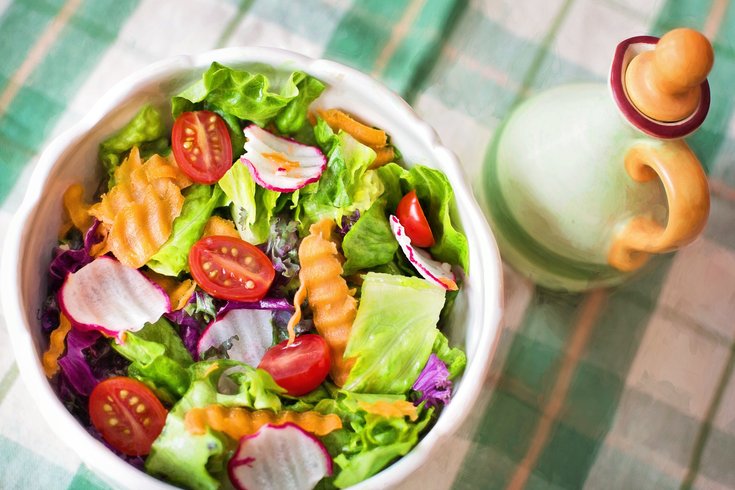
Healthy salad on table Pixabay/Pexels.com

As more people begin embracing healthy lifestyles, diets consisting of “ whole foods” and plants have become increasingly popular. Widely observed events like “Meatless Monday” are evidence of this growing trend. There is a difference, however, between what is considered a plant-based diet focused on whole foods and a traditional vegan diet.

What to know about going vegan

People who commit themselves to a vegan diet do not eat any animal-based products whatsoever. This means that vegans abstain from eating foods like meat (including seafood and shellfish), dairy, and eggs, as well as products derived from animals, like honey and gelatin.
Vegans generally see their preferences as a lifestyle choice rather than simply a diet, and this is the core difference between veganism and a plant-based regimen. For example, vegans not only refrain from consuming animal products – they also avoid things like leather, beeswax, and any product that has been tested on animals. Veganism is a philosophy, or a way of living, rooted in a general desire to exclude all forms of cruelty to and exploitation of animals for any number of things, from food to clothing to skincare items.
Just because someone maintains a vegan diet, however, doesn’t mean they are practicing healthy eating habits. Many highly processed foods that contain lots of sugar and carbohydrates are still technically vegan, yet they don’t contain the raw plant power typically associated with a vegan lifestyle.

The ins and outs of a plant-based diet

A diet based solely on plants is similar to that of a vegan diet in that both exclude animal products altogether. In addition to cutting out animal foods and byproducts, those who choose a plant-based diet also tend to avoid processed and overly refined fare for nutritional and environmental reasons. Fruits, vegetables, legumes, nuts, and seeds are all naturally occurring substances, and are therefore fair game for anyone who subscribes to a plant-based routine.

Why the difference matters

A person’s diet is often deeply important to who they are and what they stand for. Because it can be such a personal matter, your diet can even be strongly tied to your identity. For most vegans, it’s not a matter of not being able to eat animal products. Rather, it’s a matter of making the conscious choice not to do so. Regardless of the various reasons behind someone’s choice to be vegan (or vegetarian), it inevitably becomes part of their identity.

Setting aside any personal reasons for going vegan or switching to a plant-based diet, there are also a slew of health benefits, as well. Recent studies show that swapping animal protein for plant protein can reduce your chances of heart-related illness, including coronary heart disease, as well as many risk factors that lead to diabetes.


Whether you opt for a vegan lifestyle for humane or environmental reasons, or if you want to give a plant-based diet a try when setting new health goals, maintaining a healthy balance in what you eat is the key to success. If you’re thinking about going vegan, or even if you’re simply trying to integrate more fruits and vegetables into your daily meals, it’s important to make sure you continue to nourish your body and get the vitamins and minerals you need to feel your best.
For additional guidance on adopting a vegan or planted based diet, consider nutritional counseling to help you make a healthy transition. If you’re an Independence Blue Cross (IBX) member, you can consult with a registered dietitian up to six times each year at no cost. Search for a participating registered dietitian using IBX’s online provider directory.
This content is not intended to be a substitute for professional medical advice, diagnosis, or treatment. The information on this web site is for general information purposes only. Always seek the advice of your physician or health care provider on any matters relating to your health.

Friday, January 30, 2015

Vegan life

I gave up meat 3 years ago and now ready to embark on my next journey. Going to give up diary, bread and sugar. Let's see how this works!

5 Vegan Staples for Beginning Vegans

Here at PETA, we meet lots of people who need help getting started on the path to kind cuisine. While any seasoned vegan will tell you that there are plenty of delicious, fresh, and creative vegan meals out there, we’re here to help with step one: getting the basics down.
Next time you’re mulling over recipes, writing up a shopping list, or preparing for a potluck, make sure that you have these five items on hand. We’ve chosen them based on their affordability, their versatility, and their health benefits. A win-win-winsituation!
Tofu
This versatile meat substitute can be seasoned as many ways as meat can be and can also be baked, fried, and grilled! If you’re super new to tofu, try lightly coating cubed portions of tofu with salt and pepper and frying it in a little oil in a pan.
Beans
Beans are a popular college staple for vegans and nonvegans alike, and for good reason: They’re cheap and have lots of protein! For an on-the-go meal, use beans from a can. But if you want to keep things extra cheap—and get DIY points to boot—buy dry beans in bulk and cook them yourself. Like tofu, they’re very versatile.
Grains
With beans come grains—usually rice. But if you’re new to the nonmeat world, you may not realize how many varieties of rice are out there. Wild rice, basmati rice, white rice, and brown rice all make excellent sides to round out a meal or serve as a base for a stew or stir-fry.
For a little extra nutritional boost, try other grains—quinoa in particular. Dubbed “the mother of all grains” by the Incas, quinoa is a superfood. Exceptionally high in protein and a good source of dietary fiber, magnesium, iron, and calcium, it’ll fill you up and meet your nutritional needs.
Faux Milk
Soy milk is the darling of milk substitutes, but it’s not the only delicious option. Rice milk and almond milk are great, too, and typically are available without flavoring (which is great for cooking and baking) or with vanilla flavoring to give your cereal a little sweetness. You can even make it yourself if you’re up for the challenge.
Bonus: Unlike milk from animals—which is meant for animal babies (duh!)—soy, rice, and almond milk can be stored in your cupboard at room temperature until you’re ready to open them. So stock up!
Seasonings
We’ve said it once, and we’ll say it again: Vegan foods can be prepped a lot like meat can—but without the inherent cruelty. To ensure that your diet is cruelty-free but flavorful, jumpstart your new eating aspirations with some seasonings. There are loads to choose from, but a few good starter seasonings include basil, cayenne, cumin, curry powder dill, garlic salt, and rosemary. To make your meals really pop, buy seasonings fresh at a farmer’s market or grocery store.

Tuesday, February 4, 2014

Started T25!

I started T25 on my birthday January 27, my 52 birthday! In one week lost 6.8 ibs and feel great! Stay tuned for my progress.

Sunday, September 29, 2013

Another year past!

Here we are 3 years later and still looking for the ABS! I'm still working hard and not giving up, they will appear in time!


Thursday, August 22, 2013

Eating Tilapia is Worse Than Eating Bacon

I’ve written before about the dangers of farmed fish. Most people agree that eating fish is a healthier option for us. And the truth is, it really is! Fish is a low fat, high protein food that has a range of health benefits. However, given what we know of fish and its sources today, I need to clarify the myth that all fish is healthy.

Fish may not always be good for you. Fish can either be incredibly healthy or detrimental to our health, depending on where it’s sourced. There’s a world of difference between fish caught in the wild, and farm bred or farm-raised fish.

The most common types of farm-raised fish are
Salmon
Carp
Tilapia
Sea bass
Catfish
Cod
Why is Farm Raised Fish So Bad for You?

1. Can Cause Inflammation

Farm raised Tilapia has always been a popular source for fish, not only because it’s widely available in the US, but it’s also very inexpensive. It’s known in the food business as “aquatic chicken” because it breeds easily and tastes bland. Tilapia is the perfect factory fish; it happily eats pellets made largely of corn and soy and gains weight rapidly, easily converting a diet that resembles cheap chicken feed into low-cost seafood. Recent studies have concluded that eating

Tilapia may worsen inflammation which can lead to heart disease, arthritis, asthma and a world of other serious health problems. People who have started eating more fish as a way to get their dose of omega-3-fatty-acids and lessen their risk of heart attacks should avoid Tilapia. In fact, scientists have found that the inflammatory potential of Tilapia is greater than that of a hamburger or pork bacon!


2. Contains Cancer Causing Pollutants

Farm bred fish may have at least 10 times the cancer causing pollutants compared to the wild variety. This can most likely be attributed to the feeds used on farm-raised fish. Chicken feces is one of the main ingredients in farm fish feed. Not only that, the transfer of pig and duck waste to fish farms is also a very common practice.

3. Contains Antibiotics and Pesticides

Where do farm bred fish get their antibiotics? The crowded conditions of fish farms cause the fish to be more susceptible to disease. To keep them alive, farm owners give antibiotics to the fish to stave off disease. Farm bred fish are also treated with pesticides to combat sea lice. The pesticides used to treat these fish are so deadly that they have been found to kill wild salmon that are accidentally exposed to them. These pesticides are also eventually released in the ocean where they get into the bodies and systems of other marine life.

4. Low Levels of Nutrients

Many of us consume fish, hoping to reap the omega-3 fatty acid benefits that come with it. However, did you know that the omega-3-acids found in farm raised fish are less usable to our bodies compared to wild bred fish, and they also have a lower protein content. Not only that, because farm raised fish are kept in cages, they have the tendency to contain more fat, and can have a higher concentration of omega-6 acids. The problem with getting too much omega 3 and omega 6 acids is that they may cause inflammation to the body

5. Contains Toxic Chemicals

Dibutylin levels (toxic chemical used in PVC plastics) is said to be 6 times higher in farm raised mussels compared to wild ones. Dibutylin is toxic and can impair immune system function while also contributing to inflammation. Dibutylin may be the reason why we’ve seen a rise in asthma, obesity, allergies and other metabolic disorders in the recent years.

6. Contains Even MORE Toxic Chemicals

Dioxin levels (toxic chemical) are 11 times higher in farm bred salmon compared to wild salmon. Dioxin is actually a very toxic chemical that can contribute to cancer and other complications. The problem with dioxin is that once it enters our system, it can take a very long time until it is let out. The half life of dioxin is about 7 to 11 years.

This is why I only eat Wild Caught fish like Wild Sockeye Salmon. Wild caught salmon is loaded with Omega-3 fats, EPA and DHA, and has incredible health benefits. Plus, Salmon contains astaxanthin (A metabolic building block) which has been shown to be 6,000 times more powerful than Vitamin D at absorbing free radicals.

To see all the fish I recommend, check out my free Healing Food Shopping List. If you’re not eating Salmon or another wild caught fish once daily, then I recommend taking a high quality fish oil that contains astaxanthin, like Oceans 3.


Where to Get Wild Caught Fish

1. Local Health Food Stores, Whole Foods. Be careful though, because “wild caught” can be a loosely used term, so ask. Kroger and Publix are starting to carry more organic and wild caught items.

2. Online. This works great for me because I know exactly where my fish is sourced from plus it shows up at my door. This is why I prefer to order wild caught fish online. I trust Vital Choice, it’s where I order my wild caught Salmon and other fish from.

Monday, June 24, 2013

How heart disease may led to James Gandolfni's death.

James Gandolfini, the larger-than-life Emmy award-winning actor who played mob boss Tony Soprano, has met his end in Rome, due to an apparent heart attack. At age 51, his passing was entirely premature.
As Tony Soprano, Gandolfini insinuated himself into popular culture as the big, menacing, complex and implacable mobster who ruled his criminal empire with old-school, strong-arm tactics. But every tough guy knows that there’s someone – or something – tougher out there. For Tony Soprano, the hit man was likely heart disease.
The much-beloved Gandolfini was by all accounts a marvelous friend and deeply respected by his peers. He had a charismatic personality and a great sense of humor. He was also very overweight, a cigar smoker and a man known to remain at the dinner table until the last strands of pasta and crumbs of tiramisu had been taken care of. As Tony Soprano, he could menace just about anybody. But as actor Gandolfini, his lifestyle vulnerabilities made him an easy target for a highly efficient silent killer.

As famous as he was, Gandolfini’s death added only a tiny notch in the belt of the ultimate assassin: heart disease. Gandolfini was just one of the more than 600,000 people to fall victim to fatal heart disease in the U.S. each year. The difference between Gandolfini and all other victims of cardiovascular disease is that he was globally famous.


What we can learn from a meteoric life - lived large and ended too soon - is that no matter who you are, no matter how famous, rich, awarded and popular you become, heart disease can get you.

Obesity is associated with increased rates of heart attack, stroke, high blood pressure and arterial disease. Tobacco smoking is also a major cardiovascular risk factor. Consistently large eating habits can lead to a large coronary event. Gandolfini did it all: lived too heavy, enjoyed his fine cigars and packed in the food. Like a recipe for a perfect marinara, Gandolfini’s life was a perfect formula for a heart attack.


At this point in time, the rules of cardiovascular health are fairly well understood. Eating foods low in fat, exercising daily, eradicating any and all smoking from your life and reducing stress are all factors in maintaining a healthy heart and living longer.


Omega-3 fatty acids from fish appear to be significantly protective to the heart and eating lots of soluble and insoluble fiber helps to regulate metabolism, eliminate waste, control blood sugar and reduce cardiovascular disease risk. Herbs like hawthorn and green tea and supplements like OPC’s and Coenzyme Q 10 can help you to keep your heart healthier, longer. But lifestyle still matters most.


We become attached to celebrities in our imagination. We watch them perform, relate in various ways to the characters they portray, celebrate their on-stage victories and feel for them in their scripted defeats. According to those who knew him, Gandolfini was nothing like Tony Soprano. He was instead a softer, more thoughtful man and a highly driven actor who put his all into his performances and enjoyed a wide range of friends. And that makes his death even sadder.

Nobody here gets out alive. How long we get to stick around depends to a great extent upon how we live. Violate the fundamental code of healthy living and you’ll be taken out. Don’t let television characters, however tough they are portrayed, mislead you into thinking that anybody can sidestep the basics. We are all responsible to live out our days with care for our bodies. Maintaining a healthy weight, eating clean food and avoiding major health risks like smoking are all smart strategies.

James Gandolfini will be missed. The accolades will pour in. His family and friends will weep. The funeral will get international coverage. Talk shows will discuss him for weeks. Re-runs of “The Sopranos” will get a new life. But for the big mob boss whose giant personality dominated television for years, it’s closing time. Bye, Tony. We’ll miss you.

Wednesday, May 1, 2013

Tuesday, March 12, 2013

Vegan Mock Meats: To Eat or Not to Eat


Mock meats are not always the healthiest food options
It's a cheeseburger! It's a hot dog! It's isolated soy protein?
The vegan diet is at an all-time high in popularity. With celebrities, ex-presidents and even Mickey Mouse getting his vegan fix on, the sales of faux meat-like substances are skyrocketing. 2008 saw more than $4 billion in soy product sales, often the main ingredient in mock meats. But are they really good for you?
Often called "transitional foods" and lauded by animal rights organizations such as People for the Ethical Treatment of Animals (PETA) to lure meatheads into a satisfying cruelty free diet, there's mock chicken, turkey, sausages, chorizos, deli meats, even mock shrimp available; but some experts argue that these foods offer their own risks.
Consider the devastating loss of rainforest in Brazil due to farming soy or the toxic chemical hexane used in isolating soy protein, or even the excessively processed nature of mock meats which include lots of salt and a mash-up of unhealthy sounding ingredients. Top selling Boca Burgers contain hydrolyzed wheat proteindisodium guanylate, disodium inosinate, methylcellulose and a 'non-meat' artificial flavor, according to their Web site. And Philip Morris, the giant tobacco company, owns them.
There's no question that adding more fresh fruits and vegetables, whole grains, legumes, nuts and seeds is the healthiest diet choice. Treat mock meats like you would regular meats and eat them sparingly or not at all. Definitely stick with brands whose ingredients you recognize and can pronounce. If you do your homework, you can find meat alternatives that are far healthier than others (and certainly healthier than animal-based products.) Here's some faves:
Best of the Bunch
Field Roast: They make slices, roasts, meat loaves and sausages. They're wheat based, so if you're intolerant, you're out of luck. By far, they're the best tasting products available.
Sunshine Burgers: Sunflower seed veggie burgers? Yep. Light-years better than the soy burgers and count 'em, only five ingredients: ground raw sunflower seeds, brown rice, carrots, herbs, sea salt.
Tofurky: Inventors of the popular Thanksgiving feast, they use non-GMO ingredients and hexane free soy in their slices, tempeh and sausages too. Founder, Seth Tibbott, is about as genuinely awesome as they come. Imagine if your Dad embraced veganism and moved to Oregon to make faux turkey. Awesome, right?
Gardein: Oprah's Conscious Cook, Tal Ronnen, helped formulate these products, and while the ingredient list is a bit long, that's mostly due to the herbs and spices in the products. They're not organic, but they're made from real ingredients and a unique protein blend.

Tuesday, March 5, 2013

Meatless for one year!

Since Feb 2012, I haven't eaten no meat or chicken. I can't say I don't miss it and it's hard when I'm around it. But I'm sticking to it. Follow my journey!

Thursday, January 3, 2013

Obese people at 29% higher risk of premature death

People who are obese have a 29% increased risk of premature death.
This could come as a wake-up call for 8 million women and 4.4 million men in India who are obese (body mass index of 30 kg/m2).
One of the largest analyses done - 100 studies that included 3 million adults - has found that obesity was associated with a significantly higher all-cause risk of death.
In this meta-analysis that looked at 2.7 lakh deaths that occurred in the US, Europe, Mexico, India, Israel, Brazil, Japan, Taiwan, China and Australia, researchers found a 18% higher risk of death for obesity - BMI equal or higher than 30 and a 29% increased risk of death among those whose BMI was higher than 35.
The study says that the presence of a wasting disease, heart disease, diabetes, renal dialysis or older age are all associated with an inverse relationship between BMI and mortality rate, an observation termed the obesity paradox.
Over one in 10 adults, who 20 years and above, are obese globally.
That's over half a billion people (205 million men and 297 million women were obese in 2008).
Researchers say excess bodyweight is an important risk factor for mortality and morbidity from cardiovascular diseases, diabetes, cancers and musculoskeletal disorders, causing nearly three million deaths every year worldwide.
While the number of obese men in India increased from 2.3 million to 4.4 million between 1980 and 2008, the number increased from 2.1 million to 8 million among women during the same period
According to the study that was published on the January 2nd issue of the Journal of American Medical Association (JAMA), "Estimates of the relative mortality risks associated with normal weight, overweight and obesity may help to inform decision making in the clinical setting."
Katherine Flegal, of the National Center for Health Statistics, Centers for Disease Control and Prevention, conducted the study to compile and summarize published analyses of body mass index (BMI) and all-cause mortality that provide hazard ratios (HRs) for standard BMI categories.
All-cause mortality HRs for overweight (BMI of 25 and 30), obesity (BMI of 30), grade 1 obesity (BMI of 30-35), and grades 2 and 3 obesity (BMI of 35) were calculated relative to normal weight (BMI of 18.5-25).
The researchers found that the summary HRs indicated a 6% lower risk of death for overweight; a 18% higher risk of death for obesity (all grades), a 5% lower risk of death for grade 1 obesity and a 29% increased risk of death for grades 2 and 3 obesity.
Professor Majid Ezzati from the School of Public Health at Imperial College London had said, "Excess bodyweight is a major public health concern."
Now, India is in the grip of an obesity epidemic. Experts say the trend needs to be immediately arrested by taxing junk food, restricting food ads and making food labelling clearer.
A study that looked at the burden of overweight citizens in six countries - Brazil, China, India, Mexico, Russia and South Africa - has found that between 1998 and 2005, India's overweight rates increased by 20%. Currently, almost one in five men and over one in six women are overweight. In some urban areas, the rates are as high as 40%.
Published in the Lancet by the Organization for Economic Co-operation and Development ( OECD), the annual cost of broad-based prevention strategies tackling obesity and other health threats, such as alcohol consumption, smoking, high blood pressure and cholesterol, would be less than $2 per person per year in India.
Obesity is the root for several non-communicable diseases (NCDs). Another study in the Lancet predicted that by 2030, nearly 70% of all global deaths will be from non-communicable diseases like cancer, diabetes, and respiratory and heart disease. Of these 70% of fatalities, 80% will be in less wealthy nations like India.
According to WHO, NCDs - principally cardiovascular diseases, diabetes, cancers and chronic respiratory diseases - caused an estimated 35 million deaths in 2005. This figure represents 60% of all deaths globally, with 80% of deaths due to noncommunicable diseases occurring in low- and middle-income countries, and approximately 16 million deaths involving people below 70 years.
The total deaths from NCDs are projected to increase by a further 17% over the next 10 years.
Up to 80% of heart disease, stroke and type-2 diabetes and over a third of cancers can be prevented by eliminating shared risk factors, mainly tobacco use, unhealthy diet, physical inactivity and the harmful use of alcohol.

Monday, December 31, 2012

2012 Goals!


2012 was a great year. Accomplished many things health wise. I've completely stopped eating meat and chicken. Still eat seafood, need a little variety.

March I placed second in a weight loss challege.

In June I started working out at Train Studios. They emphasize on core training using ropes, kettle bells, TRX and your own bodyweight. My waist dropped 2 inches and my shirt size went from XL to L.

2013 will bring many changes including juicing. My biggest goal is to be down 60 ibs by my 1 year annivesary at Train Studios.


Sunday, November 11, 2012

THE FATTIEST FOODS IN AMERICA


THE FATTIEST FOODS IN AMERICA

6. FAT OFFENDER #6: A BURGER : Ruby Tuesday Triple Prime Bacon Cheddar Burger

1,333 calories, 101 g fat, 1,892 mg sodium

New rule: The more syllables in a menu item's name, the more fat there's likely to be in the dish. Less than 3 percent of the beef produced in this country earns the USDA's "prime" rating, and that's not a bad thing. Prime beef, as it turns out, is the fattiest beef you can sink your teeth into. If you really want a burger, you're better off heading elsewhere. Not one of Ruby's has fewer than 700 calories. Go with the Plain Grilled Top Sirloin and earn all the beefy protein without the superfluous calories.

EAT THIS INSTEAD!

Plain Grilled Top Sirloin

290 calories, 12 g fat, 420 mg sodium


5. FAT OFFENDER #5: A STEAK: Chili’s Flame-Grilled Ribeye with broccoli and mashed potatoes

1,460 calories, 106 g fat (44 g saturated), 3,700 mg sodium

For a healthy diet, the USDA recommends you cap your daily saturated fat intake at 20 grams. This meal more than doubles that, and it's only 12 ounces of meat. Sure, ribeye is a notoriously fatty cut, but it's primarily the bath of butter that pushes this steak's fat count to such unhealthy heights. Switch to the Guiltless Grill Classic Sirloin and save an astounding 1,090 calories.

EAT THIS INSTEAD!

Guiltless Grill Classic Sirloin with steamed veggies

370 calories, 9 g fat (4 g saturated), 3,680 mg sodium


4. FAT OFFENDER #4: MEXICAN FOOD: Chili’s Bacon Ranch Chicken Quesadilla

1,650 calories, 107 g fat (39 g saturated), 3,450 mg sodium

Traditional Mexican food is big on seasoning and light on cheese, but with this quesadilla, Chili's takes a different approach. Trying to appease palates primed for indulgence, the restaurant layers on the fat in four ways: cheese, ranch, bacon, and sour cream. Go with the Margarita Grilled Chicken and you'll cut the overall fat content by more than 80 percent.

EAT THIS INSTEAD!

Margarita Grilled Chicken

550 calories, 14 g fat (4 g saturated), 1,870 mg sodium


3. FAT OFFENDER #3: A 'HEALTHY' SALAD: IHOP Chicken and Spinach Salad

1,600 calories, 118 g fat (32 g saturated), 2,340 mg sodium

Chicken? Good. Spinach? Good. IHOP’s Chicken and Spinach Salad—downright deplorable. You'll need to i-hop for four hours to burn it off. This salad is exactly what makes restaurant food so questionable and potentially unhealthy. The name makes it sound like a paragon of nutritious eating, yet the numbers reveal it to be just the opposite. The chicken here is actually fried chicken, and the spinach is little more than a small bed for bacon and cheddar cheese. You could snarf down six pancake short stacks and still take in less fat. Save yourself the waistline damage and opt for the Simple & Fit Simply Chicken Sandwich instead.

Click here for all of today's nutrition, health, and fitness news!

EAT THIS INSTEAD!

Simply Chicken Sandwich with fresh fruit, side salad, and reduced-fat Italian dressing

565 calories, 12.5 g fat (3.5 g saturated), 1,085 mg sodium


2. FAT OFFENDER #2: 'HEALTHY' FISH: Applebee’s New England Fish & Chips

1,930 calories, 138 g fat (24 g saturated), 3,180 mg sodium

The American Heart Association recommends eating fish rich in omega-3 fatty acids at least twice a week. By doing so, you lower your risk of such chronic diseases as heart disease and cancer. But if you prepare fish by deep frying it in a tub of bubbling fat—like Applebee's does with this artery-clogging monstrosity—you reverse all those benefits. Opt for Applebee's Garlic Herb Salmon instead. It offers 109 fewer grams of fat, nearly two-thirds fewer calories, and a heap of flavor that will still leave you satiated.

EAT THIS INSTEAD!

Applebee’s Garlic Herb Salmon

690 calories, 29 g fat (8 g saturated), 1,460 mg sodium


1. FAT OFFENDER #1: PASTA: Cheesecake Factory Fettuccini Alfredo with Chicken

2,300 calories, 103 g saturated fat, 1,517 mg sodium

Cheesecake Factory prefers to keep its nutritional stats hidden, but a law in California forced it to reveal saturated fat. Total fat is still a mystery, but this meal breaks through the 100-gram ceiling on saturated fat alone! The culprits here are the oversized portion and the thick, fat-riddled alfredo sauce. The typical restaurant recipe for this sauce relies on some combination of cream, butter, oil, and cheese, and there's no reason to believe that Cheesecake's version strays from the norm. Unfortunately, the chain offers no single pasta dish with fewer than 1,100 calories, so keep yourself safe by sticking to the new Skinnylicious menu.

Thursday, September 27, 2012

2 year anniversary!

Today makes 2 years since I started this blog. I've had my ups and downs, but I'm still focused. My BMI is now 34.6. Continue to follow my progress.

Wednesday, September 19, 2012

More Than Half In 39 States Will Be Obese

We Americans already know how fat we are. Can it get much worse?

Apparently, yes, according to an advocacy group that predicts that by 2030 more than half the people in the vast majority of states will be obese.

Mississippi is expected to retain its crown as the fattest state in the nation for at least two more decades. The report predicts 67 percent of that state's adults will be obese by 2030; that would be an astounding increase from Mississippi's current 35 percent obesity rate.

The new projections were released Tuesday by Trust for America's Health with funding from the Robert Wood Johnson Foundation. Trust for America's Health regularly reports on obesity to raise awareness, mostly relying on government figures.

The group's dismal forecast goes beyond the 42 percent national obesity level that federal health officials project by 2030. The group predicts every state would have rates above 44 percent by that time, although it didn't calculate an overall national average.

About two-thirds of Americans are overweight now. That includes those who are obese, a group that accounts for about 36 percent. Obesity rates have been holding steady in recent years. Obesity is defined as having a body-mass index of 30 or more, a measure of weight for height.

Trust for America's Health officials said their projections are based in part on state-by-state surveys by the Centers for Disease Control and Prevention from 1999 through 2010. The phone surveys ask residents to self-report their height and weight; people aren't always so accurate about that.

The researchers then looked at other national data tracking residents' weight and measurements and made adjustments for how much people in each state might fudge the truth about their weight. They also tried to apply recent trends in obesity rates, along with other factors, to make the predictions.

Officials with Trust for America's Health said they believe their projections are reasonable.
And New York City's health commissioner agreed. "If we don't do anything, I think that's a fair prediction," said Dr. Thomas Farley whose city banned just supersize sugary drinks to curb obesity.
Trust for America projects that by 2030, 13 states would have adult obesity rates above 60 percent, 39 states might have rates above 50 percent, and every state would have rates above 44 percent.
Even in the thinnest state — Colorado, where about one-fifth of residents are obese — 45 percent would be obese by 2030.

Perhaps more surprising, Delaware is expected to have obesity levels nearly as high as Mississippi. Delaware currently is in the middle of the pack when it comes to self-reported obesity rates.
The report didn't detail why some states' rates were expected to jump more than others. It also didn't calculate an average adult obesity rate for the entire nation in 2030, as the CDC did a few months ago. But a researcher who worked on the Trust for America's Health study acknowledged that report's numbers point toward a figure close to 50 percent.

CDC officials declined to comment on the new report.
Whichever estimates you trust most, it's clear that the nation's weight problem is going to continue, escalating the number of cases of diabetes, heart disease and stroke, said Jeff Levi, executive director of Trust for America's Health.

By 2030, medical costs from treating obesity-related diseases are likely to increase by $48 billion, to $66 billion per year, his report said.
The focus of so much of the ongoing debate about health care is over controlling costs, Levi said. "... We can only achieve it by addressing obesity. Otherwise, we're just tinkering around the margins."
___
Listed are 2011 obesity levels followed by the Trust for America's Health projections for 2030. States are listed in order from the highest to lowest projections in 2030:
Mississippi, 35 percent, 67 percent
Oklahoma, 31 percent, 66 percent
Delaware, 29 percent, 65 percent
Tennessee, 29 percent, 63 percent
South Carolina, 31 percent, 63 percent
Alabama, 32 percent, 63 percent
Kansas, 30 percent, 62 percent
Louisiana, 33 percent, 62 percent
Missouri, 30 percent, 62 percent
Arkansas, 31 percent, 61 percent
South Dakota, 28 percent, 60 percent
West Virginia, 32 percent, 60 percent
Kentucky, 30 percent, 60 percent
Ohio, 30 percent, 60 percent
Michigan, 31 percent, 59 percent
Arizona, 25 percent, 59 percent
Maryland, 28 percent, 59 percent
Florida, 27 percent, 59 percent
North Carolina, 29 percent, 58 percent
New Hampshire, 26 percent, 58 percent
Texas, 30 percent, 57 percent
North Dakota, 28 percent, 57 percent
Nebraska, 28 percent, 57 percent
Pennsylvania, 29 percent, 57 percent
Wyoming, 25 percent, 57 percent
Wisconsin, 28 percent, 56 percent
Indiana, 31 percent, 56 percent
Washington, 27 percent, 56 percent
Maine, 28 percent, 55 percent
Minnesota, 26 percent, 55 percent
Iowa, 29 percent, 54 percent
New Mexico, 26 percent, 54 percent
Rhode Island, 25 percent, 54 percent
Illinois, 27 percent, 54 percent
Georgia, 28 percent, 54 percent
Montana, 25 percent, 54 percent
Idaho, 27 percent, 53 percent
Hawaii, 22 percent, 52 percent
New York, 25 percent, 51 percent
Virginia, 29 percent, 50 percent
Nevada, 25 percent, 50 percent
Oregon, 27 percent, 49 percent
Massachusetts, 23 percent, 49 percent
New Jersey, 24 percent, 49 percent
Vermont, 25 percent, 48 percent
California, 24 percent, 47 percent
Connecticut, 25 percent, 47 percent
Utah, 24 percent, 46 percent
Alaska, 27 percent, 46 percent
Colorado, 21 percent, 45 percent
District of Columbia, 24 percent, 33 percent

Friday, August 31, 2012

Welcome back!

July and August were hard months for me. Now I'm taking it back, getting rid of everything bad. Sugar, cheese, bread, etc. I'm back on my grind. Watch out!

MeStomach - The Video